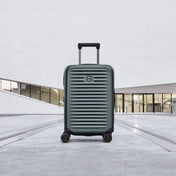
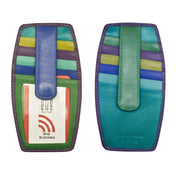
In 2025, the line between business and leisure travel continues to blur, giving rise to what’s become known as bleisure travel. What is Bleisure Travel? Bleisure travel is the practice of combining business and leisure travel, where an employee extends a work trip to include personal vacation time.
More professionals are extending their work trips to include personal time, whether that’s a few extra days by the beach or exploring a new city after a conference. This growing trend reflects a shift in work culture — where flexibility, wellness, and balance take center stage. Some professionals will have family join them during the leisure portions of the trip as well.
Companies are also getting on board. Many now view bleisure travel as a productivity booster and a way to enhance employee satisfaction. With hybrid work models allowing remote collaboration from anywhere, employees can easily log into meetings from a hotel, co-working space, or even a mountain lodge.
Travel brands, too, are adapting. Hotels and airlines are rolling out loyalty perks and flexible booking policies designed to cater to these blended itineraries. From upgraded Wi-Fi to curated local experiences, the travel industry is evolving to meet the needs of the “work-anywhere” generation.
For travelers, bleisure trips offer the best of both worlds — professional growth and personal rejuvenation. And for businesses, it’s a win-win: happier employees and stronger engagement.
Diving Deeper.... The Key Aspects of Bleisure Travel
Combining purposes: The core of bleisure is mixing professional obligations with personal enjoyment, making business travel less of a chore and more of an opportunity.
Personalization: Travelers can use this time to extend their stay in a city after a conference, add a few days at the end of a work trip to see local sights, or even bring their family along for the leisure portion.
Policy and expenses: Many companies have policies to manage bleisure, often specifying that employees are responsible for the costs associated with the extended leisure days, such as accommodation and flights.
Benefits: For employees, it offers improved work-life balance and reduced stress. For employers, it can lead to increased employee satisfaction, morale, and retention.
Amenities: Hotels are adapting to bleisure by offering amenities that cater to both business needs and leisure time, such as reliable Wi-Fi, family-friendly facilities like pools or kid-friendly spaces, and concierge services for booking activities.